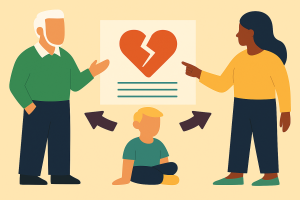
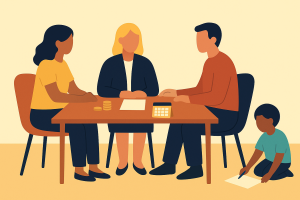
Families often face difficult decisions as parents age, especially when multiple siblings have different opinions on what’s best. Whether it’s about caregiving, medical needs, finances, or living arrangements, these conversations can be emotionally charged and challenging to navigate. Elder mediation offers a way to bring everyone together, find common ground, and focus on what truly matters: the well-being of your loved one.
A Common Scenario
Imagine this: Three siblings are deciding how to care for their aging mother. One sibling lives nearby and has been providing most of the day-to-day care. Another lives out of state but handles the finances. The third wants their mom to move into an assisted living facility but feels unheard. As tensions rise, family gatherings become strained, and everyone feels the weight of unresolved issues.
How Elder Mediation Helps
Elder mediation provides a neutral, structured space for families to address these kinds of conflicts. A trained mediator facilitates the conversation, ensuring everyone’s voice is heard and helping the family focus on solutions rather than arguments. Here’s how it works:
- Creating a Safe Space
- The mediator sets ground rules to ensure respectful communication and a calm environment.
- Each family member has an opportunity to share their perspective without interruption.
- Clarifying the Issues
- The family identifies key concerns, such as guardianship, caregiving responsibilities, financial management, and future living arrangements.
- The mediator helps prioritize these issues to guide the discussion.
- Exploring Options
- The mediator facilitates brainstorming sessions to explore solutions. For example:
- Dividing caregiving tasks equitably among siblings.
- Hiring professional caregivers to ease the burden on family members.
- Researching assisted living facilities that meet the parent’s needs and preferences.
- Establishing clear financial plans for medical expenses and long-term care.
- The mediator facilitates brainstorming sessions to explore solutions. For example:
- Building Agreements
- The family creates a plan that outlines roles, responsibilities, and next steps.
- Agreements may include legal arrangements, such as powers of attorney or guardianship.
- Focusing on the Parent’s Wishes
- The mediator ensures the aging parent’s preferences and needs remain at the center of the discussion.
- If the parent cannot fully participate, the family works to make decisions in their best interest.
Topics Commonly Addressed in Elder Mediation
- Caregiving Roles: Determining who will handle daily care, medical appointments, and emotional support.
- Guardianship and Legal Matters: Establishing powers of attorney, living wills, or guardianship arrangements.
- Living Arrangements: Deciding between staying at home, moving in with family, or transitioning to an assisted living facility.
- Medical Decisions: Managing treatment plans, medication schedules, and end-of-life care preferences.
- Financial Management: Handling budgets, paying for care, and dividing responsibilities for financial oversight.
Benefits of Elder Mediation
- Improved Communication: Mediation fosters open and respectful dialogue, helping siblings understand each other’s perspectives.
- Reduced Conflict: A neutral mediator helps de-escalate tensions and keep the focus on problem-solving.
- Customized Solutions: Families can create plans tailored to their unique dynamics and needs.
- Preserving Relationships: Mediation helps prevent long-term rifts, allowing siblings to maintain strong family bonds.
A Path to Peace
Elder mediation transforms emotionally charged family conflicts into opportunities for collaboration and understanding. By focusing on the well-being of your loved one and fostering open communication, it’s possible to navigate even the toughest decisions with care and compassion.
If your family is facing difficult decisions about aging parents, elder mediation can provide the guidance and support needed to move forward together. It’s not just about finding solutions—it’s about strengthening family connections in the process.