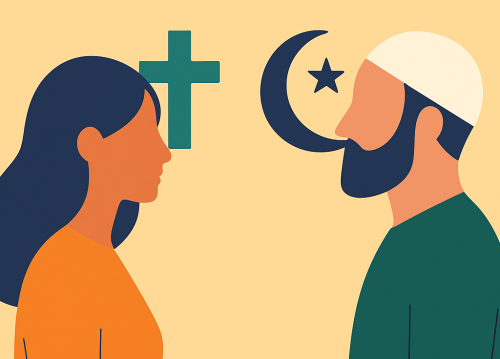
In today’s diverse world, people from different faith traditions live, work, learn, and raise families alongside one another. This diversity enriches communities but can also lead to misunderstandings, cultural tensions, and spiritual disconnects—especially when beliefs come into conflict.
Whether the tension arises between neighbors, family members, coworkers, or religious groups, interfaith mediation offers a respectful, values-conscious approach to finding resolution and building understanding.
What Is Interfaith Mediation?
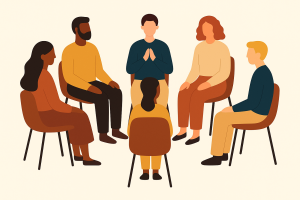
Interfaith mediation is a structured and voluntary process that helps people from different religious or spiritual backgrounds work through conflict, clear up misunderstandings, and establish mutual respect.
With the support of a neutral and trained mediator—often someone experienced in intercultural or interfaith communication—the conversation is guided so that:
- Everyone feels heard without judgment
- Spiritual values are acknowledged without being debated
- Shared interests and goals are identified
- Respectful, peaceful agreements are built
The aim is not to change anyone’s beliefs. It is to help people coexist with dignity and to navigate their conflicts with empathy and care.
Where Interfaith Conflicts Often Arise
Interfaith disputes can surface in a wide variety of settings, including:
- Marriages or blended families involving different faith traditions
- Workplace challenges related to religious expression or accommodations
- Disputes within multicultural neighborhoods or housing communities
- Misunderstandings in schools, colleges, or nonprofit organizations
- Collaborations between faith-based groups with differing doctrines
- Community incidents fueled by prejudice or religious intolerance
These situations can be deeply emotional and personal. Mediation offers a private space for working through them without escalating into public controversy or legal battles.
Why Mediation Is Effective in Interfaith Situations
Interfaith mediation brings several important strengths to the table:
Respect for All Beliefs
No participant is asked to compromise their spiritual identity.
Focus on Shared Values
Many people, even across very different traditions, uphold similar principles such as kindness, fairness, responsibility, and community.
Promotion of Cultural Humility and Listening
Participants engage in meaningful listening, learning not just about other faiths but about real-life experiences.
Relationship Repair, Not Blame
The process aims to rebuild trust and understanding, not to declare winners or losers.
What to Expect During Interfaith Mediation
- A calm and neutral environment, whether in-person or virtual
- An experienced mediator with cultural sensitivity training
- Opportunities to share how your beliefs relate to the conflict
- A focus on the present concerns rather than debating religious doctrines
- Solutions that respect both practical needs and spiritual values
Turning Division into Dialogue
Interfaith mediation offers a path away from fear, judgment, and silence. It creates opportunities for connection, compassion, and greater understanding.
When conflicts arise between people of different faiths, mediation helps transform division into meaningful conversation and healing.