Conflicts between neighbors can arise for many reasons, from minor misunderstandings to serious disputes that strain relationships and disrupt daily life.
Mediation offers a constructive way to address these issues by promoting open communication and encouraging collaboration.
Whether the disagreement is small or ongoing, mediation can help neighbors find solutions that work for everyone involved.
Common Neighbor Disputes Addressed Through Mediation
Mediation is effective for a wide range of conflicts, including:
- Noise Complaints: Disputes over loud music, barking dogs, or late-night gatherings.
- Property Boundaries: Issues involving fences, landscaping, or property encroachments.
- Shared Spaces: Conflicts related to driveways, parking areas, or common spaces in apartments or condominiums.
- Pets and Animals: Concerns about pets roaming freely, waste cleanup, or aggressive behavior.
- Lifestyle Differences: Clashes over habits, cultural practices, or differing expectations for neighborhood living.
- Damages and Maintenance: Arguments about shared walls, tree damage, or repair responsibilities.
How Mediation Helps Neighbors Find Solutions
Facilitating Open Communication
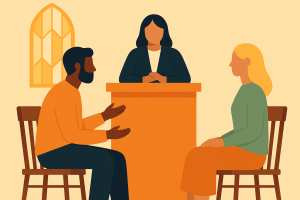
A neutral mediator creates a safe and respectful setting where both sides can share their perspectives without fear of escalation.
Misunderstandings are clarified, and each party has a chance to express concerns and needs.
Focusing on Collaboration
Instead of assigning blame, mediation encourages neighbors to work together to find creative compromises that address the root causes of the conflict.
Building Mutual Understanding
Hearing each other’s viewpoints often leads to greater empathy and a willingness to cooperate, even if the parties do not fully agree.
Developing Practical Solutions
Mediators help neighbors craft specific, actionable agreements that fit their situation.
Examples might include setting quiet hours, defining property lines, or creating a schedule for shared space use.
Preserving Neighborly Relationships
Maintaining a peaceful relationship is important for people who live near one another.
Mediation helps reduce tension and fosters a more respectful, cooperative environment.
Typical Steps in the Mediation Process
- Initial Contact
Both parties agree to participate and meet with a mediator to understand how the process works. - Defining the Issues
The mediator identifies key concerns and ensures that each side has an opportunity to explain their perspective. - Exploring Solutions
Guided by the mediator, neighbors brainstorm and discuss potential resolutions in a productive and respectful way. - Creating an Agreement
The mediator helps put the agreed-upon solutions in writing, providing clarity and a shared commitment. - Follow-Up
In some cases, the mediator checks in later to confirm that the agreement is being honored and to address any new concerns.
Benefits of Mediation for Neighbor Conflicts
- Cost-Effective: Mediation is generally much less expensive than hiring attorneys or pursuing legal action.
- Faster Resolution: Many disputes are resolved in just one or two sessions, helping neighbors move forward quickly.
- Private and Confidential: Mediation discussions remain private, protecting the dignity and privacy of everyone involved.
- Empowering: Neighbors maintain control over the outcomes rather than relying on a court or third party to impose a solution.
Final Thoughts
Whether the issue involves parking spaces, property damage, or noise complaints, mediation provides a constructive and respectful path to resolution.
By fostering communication, understanding, and collaboration, mediation helps neighbors restore peace and build stronger, more positive relationships.
If you are facing a conflict with a neighbor, mediation may be the first step toward resolving the issue amicably and moving forward together.