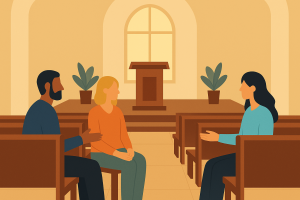
Sharing a living space can offer many rewards, from companionship to shared responsibilities. However, conflicts between roommates can sometimes develop, making daily life stressful. Mediation offers a constructive and supportive way to resolve these disputes, helping create a more harmonious living environment.
What Is Roommate Mediation?
Roommate mediation brings in a neutral third party to help roommates talk through their conflicts. Unlike legal proceedings, mediation is informal, confidential, and centered around promoting mutual understanding and agreement rather than assigning blame.
Common Issues Roommate Mediation Can Address
Several types of conflicts are common among roommates, including:
Chore Distribution
Disputes over cleaning schedules, household duties, or perceptions of fairness.
Noise Levels
Conflicts stemming from differing sleep patterns or entertainment habits.
Guest Policies
Tension about the frequency of visitors or concerns over guest behavior.
Shared Expenses
Disagreements over bill-splitting, communal purchases, or financial responsibilities.
Personal Boundaries
Issues related to privacy, personal space, and respect for one another’s belongings.
Key Benefits of Mediation
Mediation offers a number of important advantages for roommates facing conflicts:
Better Communication
Mediation encourages honest dialogue, helping each person express concerns and truly listen to the other’s point of view.
Skill Development
Participants learn conflict resolution techniques that can be useful not only now but also in future living arrangements.
Stronger Relationships
Addressing issues constructively can help preserve or even strengthen the roommate relationship.
Low or No Cost
Many universities, housing programs, or community centers offer mediation services free of charge or at a minimal cost.
The Mediation Process: How It Works
Starting the Process
One or both roommates contact a resident advisor, housing office, or community mediation center to request help.
Preparing for the Session
The mediator gathers basic information about the situation and sets a time for the mediation meeting.
During the Session
Each roommate shares their side of the story while the mediator ensures that the discussion remains respectful and productive.
Reaching an Agreement
If an understanding is achieved, the mediator helps draft a written agreement summarizing the terms decided upon by both parties.
Moving Forward: What You Can Do
If you find yourself facing unresolved conflict with a roommate, consider the following steps:
Act Early
Addressing problems quickly often prevents deeper resentments from forming.
Use Available Resources
Reach out to resident advisors, housing offices, or local mediation centers for guidance and support.
Stay Open and Honest
Approach mediation with a willingness to listen carefully, express yourself clearly, and seek compromise.
Mediation offers a path toward resolving roommate conflicts that honors the needs and interests of both parties. By choosing mediation, roommates can build healthier living environments and contribute to more stable and respectful communities.