A Practical Solution for Everyday Conflicts
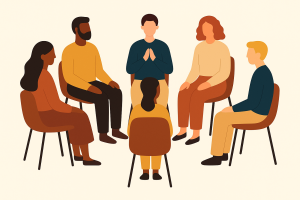
Community mediation is a free or low-cost service that helps neighbors, families, and local residents resolve everyday disagreements without going to court. It brings people together with a trained, neutral mediator who helps guide a respectful and productive conversation.
These sessions are voluntary, private, and focused on finding solutions that work for everyone involved. Community mediation is especially helpful when people want to repair relationships or continue living or working near one another.
What Types of Conflicts Does Community Mediation Handle?
Community mediation covers a wide range of disputes that happen in everyday life. Some of the most common include:
1. Neighbor Disputes
Noise complaints, fence issues, shared driveways, pet problems, or property maintenance can lead to ongoing frustration. Mediation helps neighbors have a calm conversation and find a resolution they both agree on.
2. Landlord-Tenant Issues
Conflicts over rent, maintenance, security deposits, or lease terms can be addressed through mediation. It offers a neutral space to avoid escalation and preserve the rental relationship.
3. Roommate Conflicts
Living with someone isn’t always easy. Mediation can help roommates talk through chores, shared expenses, guests, and other points of tension.
4. Family Conflicts
Disagreements between siblings, parents and teens, or extended family members can benefit from mediation—especially when everyone wants to preserve the relationship but needs help having a productive conversation.
5. Youth and Schools
Some community mediation centers partner with schools to resolve student conflicts, help with bullying situations, or support restorative justice efforts between students, teachers, or parents.
6. Workplace or Volunteer Settings
Mediation can be helpful in small businesses, nonprofit organizations, and volunteer groups where coworkers or team members have ongoing disagreements.
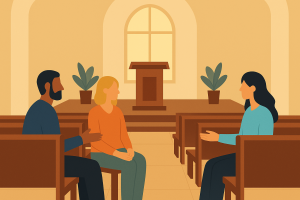
7. Faith-Based Conflicts
Church members, congregational groups, or faith community leaders may use mediation to address differences in a respectful, confidential setting.
Why Choose Community Mediation?
- It’s Accessible: Most centers offer services at little to no cost.
- It’s Quick: Sessions can often be scheduled within a week or two.
- It’s Voluntary: Both parties choose to participate and are not forced to agree to anything.
- It’s Confidential: What is shared stays private, unlike in court.
- It Works: Many participants find resolutions that meet their needs and preserve relationships.