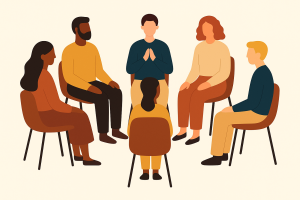
When neighbors, friends, or community members find themselves in conflict, tensions can quickly rise. A disagreement over noise, a shared fence, parking, or even a simple misunderstanding can grow into lasting resentment—or lead to costly legal action.
Community mediation offers a better path.
It brings people together in a safe, neutral setting where they can have honest conversations, find common ground, and create lasting solutions—without ever needing to step into a courtroom.
How Does Community Mediation Work?
Community mediation is a voluntary and confidential process. A trained, neutral mediator facilitates the conversation, helping those involved:
- Talk through the issues
- Listen to each other with respect
- Work toward a solution that meets everyone’s needs
The mediator does not take sides or decide the outcome. Instead, they guide the discussion, ensuring that each person is heard and that the process remains fair and respectful.
Types of Conflicts Community Mediation Can Resolve
Community mediation is well-suited for handling a wide range of disputes, including:
- Neighbor-to-neighbor disagreements
- Noise complaints or property boundary issues
- Roommate or landlord-tenant conflicts
- Disputes within homeowner associations or condo boards
- Conflicts among friends, coworkers, or small organizations
- Issues within schools, faith communities, or civic groups
As long as the conflict does not involve serious legal violations or safety threats, mediation is often an excellent option.
Why Choose Community Mediation?
Community mediation offers several key benefits:
Accessibility
Most programs are free or offered at a low cost, and participants typically do not need legal representation.
Speed
Many conflicts can be resolved in a single session, saving time compared to court proceedings.
Relationship Preservation
Mediation focuses on improving communication and understanding, helping maintain or even strengthen relationships.
Empowerment
The people involved in the conflict create their own solutions, rather than having a judge impose a decision.
Privacy
Mediation is confidential. What is discussed stays between the parties and the mediator.
Who Provides Community Mediation?
Community mediation services are typically offered through:
- Nonprofit organizations
- Community dispute resolution centers
- Local government programs or volunteer initiatives
Mediators often include trained volunteers and professionals who are dedicated to helping communities resolve conflicts peacefully and respectfully.
A Better Way to Resolve Everyday Disputes
Community mediation brings people together, strengthens neighborhoods, and rebuilds trust. When individuals feel heard and respected, real and lasting solutions are possible—without the expense, delays, or stress of legal action.
If you are facing a conflict with a neighbor, roommate, or community member, community mediation offers a way forward—working together toward peace.