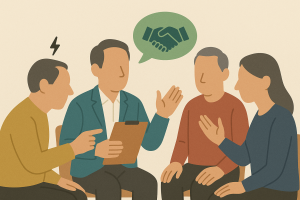
Boardroom conflicts can be particularly damaging. Unlike disagreements among employees, disputes at the board level can directly impact an organization’s strategic direction, financial health, reputation, and overall stability. When board members clash, it can lead to governance breakdowns, paralyze decision-making, and erode trust among stakeholders. This is where mediation offers a vital lifeline, helping boards navigate their differences to uphold good governance and maintain cohesion.
Why Boardroom Conflicts Are Different (and More Dangerous)
Board members, by their very nature, are often strong-willed, highly accomplished individuals with diverse backgrounds and perspectives. While this diversity is usually a strength, it can also become a source of intense disagreement. Unlike operational conflicts, boardroom disputes often involve:
- High Stakes: Decisions made by the board affect the entire organization’s future, its employees, shareholders, and mission.
- Reputational Risk: Public or internal knowledge of board disunity can severely damage an organization’s credibility.
- Fiduciary Duties: Board members have legal and ethical obligations to act in the organization’s best interest, and conflicts can make fulfilling these duties challenging.
- Personalities and Power: Disputes can become deeply personal, intertwined with egos, past grievances, or struggles for influence.
- Governance Lapses: Prolonged conflict can lead to paralysis, delaying critical decisions, or making rash ones without proper deliberation.
How Mediation Restores Order and Effectiveness
Mediation, led by a skilled, neutral third party, provides a structured and confidential process specifically designed to address these complex, high-stakes conflicts. Here’s how it helps:
- Creates a Safe and Confidential Space: Boardroom discussions are often intense. Mediation offers a secure environment where members can voice concerns, frustrations, and perspectives without fear of public fallout or further internal division. The confidentiality of the process encourages open and honest dialogue.
- Facilitates Structured Communication: A mediator ensures that all voices are heard fairly. They prevent dominant personalities from monopolizing the discussion and ensure that quieter members have the opportunity to contribute. This structured approach helps move beyond shouting matches to constructive dialogue.
- Identifies Root Causes, Not Just Symptoms: Board conflicts often manifest as disagreements over specific decisions (e.g., a new strategy, executive compensation). However, the underlying causes might be deeper – differing values, a lack of clarity on roles, historical grievances, or fundamental disagreements about the organization’s vision. A mediator helps the board uncover and address these core issues.
- Refocuses on Shared Objectives: Amidst conflict, board members can lose sight of their collective purpose. The mediator helps to re-center discussions on the organization’s mission, strategic goals, and fiduciary duties. By reminding members of their shared responsibility, it becomes easier to find common ground.
- Develops Future-Oriented Solutions: Mediation isn’t about assigning blame; it’s about building a path forward. The mediator guides the board toward mutually agreeable solutions that address the conflict, strengthen governance processes, clarify roles, or improve communication protocols. These solutions are often more creative and sustainable because they are developed by the board members themselves.
- Preserves Board Cohesion and Relationships: While some relationships may be strained beyond repair, mediation offers the best chance to mend professional ties and preserve the cohesion necessary for effective governance. It helps prevent resignations or protracted legal battles that further destabilize the organization.
When to Bring in a Mediator
Consider mediation for boardroom conflicts when:
- Discussions are circular and unproductive: The board keeps revisiting the same arguments without progress.
- Communication has broken down: Members are no longer listening to each other, or personal attacks have replaced professional debate.
- Decision-making is paralyzed: Critical choices are being delayed or made by a splintered minority.
- There’s a risk to the organization’s reputation or operations: Internal strife is starting to affect external perceptions or performance.
- Governance practices are being compromised: Conflicts are preventing the board from fulfilling its oversight responsibilities effectively.
Boardroom conflicts, if left unaddressed, pose a significant threat to any organization. By embracing mediation, boards can proactively address internal divisions, repair communication breakdowns, and refocus on their shared responsibilities. A skilled mediator acts as a crucial catalyst, transforming destructive conflict into an opportunity to strengthen governance, improve collaboration, and ensure the long-term health and success of the organization.