When conflict or harm occurs in neighborhoods, schools, or other community spaces, the typical response often centers on punishment, blame, or simply avoiding the issue. But what if the goal went beyond just settling the matter? What if it focused on actually healing the harm?
That is the promise of restorative justice. When combined with community mediation, it becomes a powerful way to rebuild trust, promote accountability, and create lasting peace.
What Is Restorative Justice?
Restorative justice is a values-driven approach to conflict resolution that emphasizes:
- Repairing harm instead of focusing on punishment
- Understanding how actions have impacted others
- Bringing together everyone affected to talk, listen, and make things right
This approach is particularly valuable when trust has been broken. Common examples include cases of vandalism, bullying, theft, harassment, or ongoing neighborhood disputes.
How Restorative Justice Works in Community Mediation
In restorative justice-based mediation, a trained neutral facilitator brings together:
- The individual who caused harm (if willing)
- The individual or group who was harmed
- Community members or supportive individuals, when appropriate
The focus is not on confrontation but on dialogue. Together, participants explore:
- What happened and why
- Who was affected and in what ways
- What accountability should look like
- What actions can help repair the harm and prevent future incidents
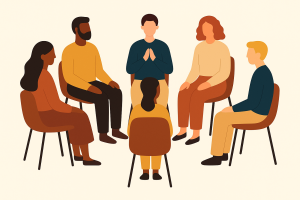
This process may take the form of a restorative circle, a conference, or a structured mediation session guided by restorative principles.
Why Restorative Justice Works
Restorative community mediation offers several important benefits:
Promotes True Accountability
Focuses on responsibility and understanding, rather than shame or punishment.
Gives Voice to the Harmed
Ensures that those impacted have the opportunity to express how they were affected.
Encourages Empathy and Understanding
Fosters emotional connection between those involved, leading to more meaningful outcomes.
Leads to Creative, Community-Based Solutions
Supports agreements that address the needs of everyone affected.
Strengthens Community Ties
Builds stronger, healthier relationships that can prevent future conflicts.
Many participants leave restorative mediation feeling heard, empowered, and more connected to their community.
Who Can Benefit from Restorative Community Mediation?
Restorative mediation can help a wide range of people and situations, including:
- Neighbors facing property damage, threats, or long-standing disputes
- Youth who have caused harm at school or within the community
- Victims of minor crimes seeking a voice and a path to healing
- Organizations or groups experiencing internal conflict
- Landlords and tenants dealing with emotional or behavioral issues
Many programs use restorative mediation as an alternative to criminal charges or civil court, especially for youth justice and neighborhood disputes.
Justice with Compassion, Resolution with Healing
Restorative justice in community mediation is not about deciding who was right or wrong. Instead, it asks: what went wrong, how were people impacted, and what can we do to make things right?
It is a path that honors dignity, fosters connection, and builds stronger, more compassionate communities.